Understanding Metal Roofing: Benefits and Applications
Metal roofing has emerged as a leading choice for homeowners and businesses alike, providing a robust solution to various roofing needs. This modern roofing option not only enhances the aesthetic appeal of a property but also offers unparalleled durability and energy efficiency. As property owners increasingly seek sustainable and long-lasting materials, metal roofing stands out as an innovative solution that aligns with contemporary environmental practices and design trends. When exploring options, mroof.ca provides comprehensive insights into the advantages of choosing metal roofing for both residential and commercial applications.
What is Metal Roofing?
Metal roofing consists of panels or shingles made from various metals, such as steel, aluminum, copper, or zinc. These materials are coated to enhance their resistance to corrosion and rust, making them suitable for diverse weather conditions. Unlike traditional shingles, metal roofs are designed to last significantly longer—often exceeding 50 years with minimal maintenance. This longevity, combined with easy installation techniques, makes metal roofing a popular choice among contractors and builders.
Key Benefits of Choosing Metal Roofing
- Durability: Metal roofing can withstand extreme weather elements, including heavy snow, high winds, and torrential rain.
- Energy Efficiency: Many metal roofs reflect solar heat, which can significantly lower cooling costs in warmer months.
- Environmentally Friendly: Metal roofing materials are often made from recycled content and are 100% recyclable at the end of their lifespan.
- Variety of Styles: Metal roofs come in various colors and styles, allowing homeowners to choose an option that complements their home's architecture.
- Low Maintenance: Unlike traditional roofs that require frequent repairs, metal roofs generally require minimal upkeep.
Common Applications for Metal Roofing
Metal roofing is versatile and can be utilized in various applications, including:
- Residential homes
- Commercial buildings
- Industrial warehouses
- Garages and outbuildings
- Architectural designs for schools and hospitals
Choosing the Right Metal Roofing Material
Types of Metal Roofing Materials Available
There are several types of metal roofing materials to consider, each with unique properties:
- Steel: The most common choice, available in galvanized or galvalume coatings for extra durability.
- Aluminum: Lightweight and resistant to corrosion, making it an excellent choice for coastal areas.
- Copper: Known for its distinct appearance that develops a patina over time, though it comes at a higher cost.
- Zinc: Similar to copper, zinc is known for its long lifespan and self-healing properties in case of scratches.
How to Select the Best Option for Your Home
Choosing the right type of metal roofing material depends on various factors, such as climate, budget, and aesthetic preferences. Homeowners should consider:
- The local weather conditions and how they may affect the roofing material.
- Cost implications and available budget for installation and future maintenance.
- The desired look and architectural style that complements the home.
Comparing Metal Roofing with Traditional Options
When juxtaposed with traditional materials like asphalt shingles, metal roofs often demonstrate superior performance in durability and longevity. Traditional roofing materials usually last around 20-30 years, while metal roofs can last over 50 years. Furthermore, metal roofing requires fewer resources over time due to minimal maintenance needs, making it a more sustainable choice in the long run.
The Metal Roofing Installation Process
Step-by-Step Overview of Installation
The installation of a metal roof typically involves several key steps:
- Preparation: Ensure the existing roof is structurally sound; this might involve repairs or even removal of old roofing materials.
- Measuring: Accurate measurements are critical to minimize waste and ensure proper fit.
- Underlayment Installation: A water-resistant underlayment is installed to protect against moisture infiltration.
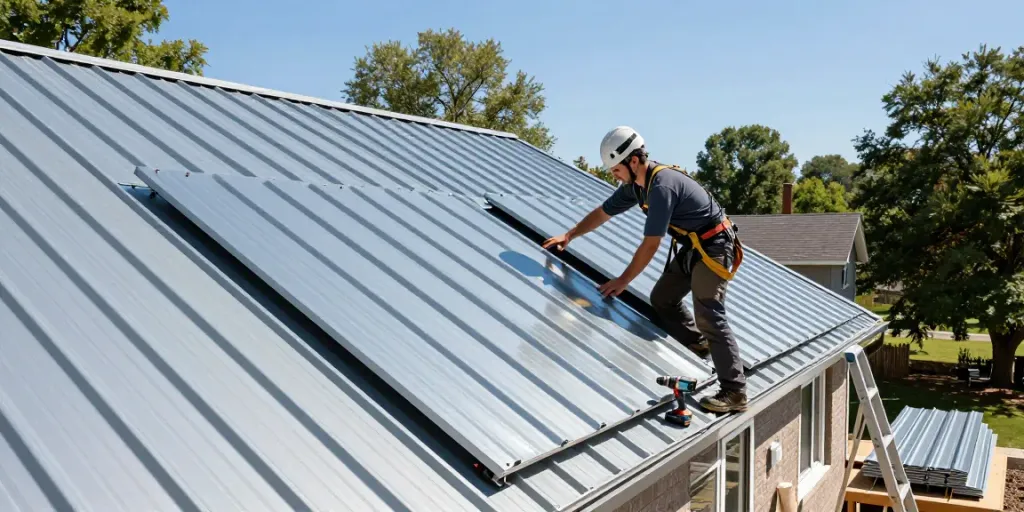
- Metal Panel Installation: Panels are laid down and fastened onto the roof structure, ensuring proper alignment and sealing.
- Finishing Touches: Flashing, ridge caps, and other finishing components are installed to provide a complete and weatherproof roof.
Essential Tools and Equipment Required
Essential tools for installing a metal roof include:
- Power drill and bits
- Measuring tape
- Metal cutting shears
- Level
- Ladder and scaffolding
Tips for a Successful Installation
For a successful metal roofing installation, it's essential to:
- Work during dry weather to prevent slip hazards.
- Follow local building codes and regulations.
- Consult manufacturer guidelines for specific installation instructions for materials.
Maintenance and Care for Metal Roofs
Routine Inspections and Maintenance Tasks
While metal roofs are low-maintenance, regular inspections are necessary to prolong their lifespan. Homeowners should check for:
- Signs of rust or corrosion
- Loose screws or fasteners
- Debris accumulation, particularly around gutters and valleys
How to Extend the Lifespan of Your Metal Roof
To maximize the lifespan of a metal roof, consider these best practices:
- Keep gutters clean and free from obstructions.
- Apply protective coatings as recommended by manufacturers.
- Trim any tree branches that may pose a risk of scratching the roof surface.
Common Issues and Solutions for Metal Roofing
Some common issues with metal roofing include:
- Rust: Can be prevented by regularly cleaning and applying protective coatings.
- Noise: Using solid sheathing and insulation can help reduce noise during rain or hail.
- Expansion and Contraction: Ensure proper installation techniques to accommodate thermal movement.
Future Trends in Metal Roofing for 2026 and Beyond
Advancements in Metal Roofing Technology
As the industry evolves, we can anticipate advancements in materials and coatings that enhance durability and energy efficiency. Innovations may include:
- Solar-integrated metal roofs that provide energy while maintaining structural integrity.
- Advanced coatings that improve longevity and reduce heat absorption.
Environmental Impact and Sustainability Trends
The demand for sustainable building materials continues to rise. Metal roofs, made from recycled materials and fully recyclable at the end of life, are increasingly recognized as an eco-friendly option. Future trends may involve:
- Increased use of localized materials to lower carbon footprints.
- Greater emphasis on developing production methods that reduce energy consumption.
Predictions for the Metal Roofing Industry
Experts predict that the metal roofing market will experience significant growth, fueled by the demand for energy-efficient and sustainable building solutions. The adoption of metal roofing is likely to expand into new demographics, including younger homeowners seeking long-term investments.
What Are the Costs Associated with Metal Roofing?
The costs of metal roofing can vary widely based on the material selected, roof size, and complexity. On average, homeowners should expect to pay between $5 and $12 per square foot installed. However, the initial investment often balances out over time due to lower maintenance costs and energy savings.
How to Choose a Trusted Contractor for Installation?
Selecting the right contractor is crucial for ensuring a quality installation. Homeowners should:
- Seek recommendations from friends or online reviews.
- Verify licensing and insurance credentials.
- Request detailed quotes and timelines from multiple contractors.
What Maintenance is Required for Metal Roofing?
Beyond initial inspections post-installation, ongoing maintenance for metal roofs typically involves periodic cleaning, checking fasteners, and re-coating as necessary. Homeowners should also be attentive to any signs of wear, such as rust or dents.
How Does Metal Roofing Compare in Different Climates?
Metal roofing performs exceptionally well in various climates due to its design capabilities. It is particularly effective in snowy regions, as snow slides off easily, preventing accumulation. In coastal areas, aluminum roofs resist corrosion from salt water, while specialized coatings can enhance performance in high-temperature climates by reflecting heat.